
Under the Leaves
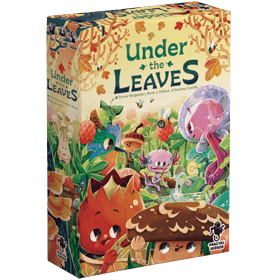 Se conseguirmos manter a saúde e a diversidade do nosso jardim, ele se encherá de vida e se tornará um refúgio para criaturas fascinantes. Beija-flores e abelhas são os primeiros a chegar, enchendo o ar de cor e movimento, mas se pararmos para observar com mais atenção, descobriremos um mundo oculto e desconhecido: minúsculos habitantes abundam nos cogumelos, nas poças e na folhagem. Eles estão sob nossos pés, vivendo suas vidas sem serem percebidos... até decidirmos olhar por baixo das folhas.
Cada rodada em Under the Leaves é dividida em duas fases: a colocação de uma peça de jardim e, em seguida, a possível chegada de novos seres. Vence quem acumular o maior número de peças no total.
Número de jogadores: 2 - 4
Duração do jogo: 12 mn
Complexidade: 2 / 5
Jogue Under the Leaves e 1376 outros jogos online.
Sem downloads, direto no seu navegador.
Com seus amigos e milhares de jogadores do mundo inteiro.
Grátis.


Jogue Under the Leaves e 1376 outros jogos online.
Sem downloads, direto no seu navegador.
Com seus amigos e milhares de jogadores do mundo inteiro.
Grátis.
Sumário de Regras
Jogabilidade
Cada turno é jogado em 2 fases: a colocação de uma peça de jardim e a possível chegada de novas criaturas.
Fase 1: Colocação de uma peça de jardim Escolha uma das 3 peças disponíveis no mercado e coloque-a em sua área de jogo, ao lado de uma peça que você já tenha colocado. Uma vez colocada, a peça não pode ser movida. Para colocar uma peça, você deve posicioná-la de forma que pelo menos um lado dela fique completamente adjacente a outra peça colocada anteriormente. Não é necessário que os espaços do terreno tenham a mesma cor ou que as poças sejam adjacentes. Você pode colocar as peças em qualquer posição, desde que siga as regras de colocação.
Fase 2: Possível chegada de novas criaturas Após colocar a peça em seu jardim, você deve verificar se alguma criatura é atraída para o jardim. Recomenda-se verificar cada tipo de criatura na seguinte ordem: abelhas, beija-flores e, em seguida, os habitantes das folhas, os habitantes das poças e, por fim, os habitantes dos cogumelos.
Abelhas As abelhas virão para qualquer setor recém-criado que tenha 3 ou mais espaços de terreno contínuos da mesma cor. Esse setor será então chamado de setor polinizado.
1. Pegue uma peça de abelha e coloque-a em qualquer lugar no setor polinizado.
2. Em seguida, verifique se você já tem um ou mais setores polinizados da mesma cor em seu jardim. Se tiver, coloque uma peça de abelha em cada setor polinizado dessa cor.
3. Os setores polinizados não têm limite para o número de abelhas que podem abrigar.
Beija-flores Quando todos os espaços de terreno de um bloco fazem parte de setores polinizados, esse bloco atrai um beija-flor. (Lembre-se de que poças não são terreno.) Coloque uma peça de beija-flor no ninho no centro do bloco. Além disso, sempre que você formar uma fileira de 3 peças que atraiam pelo menos um beija-flor, a peça do meio atrairá outro beija-flor. Da mesma forma, se você conseguir formar uma coluna de 3 peças que atraiam pelo menos um beija-flor, a peça do meio atrairá outro beija-flor. Isso significa que um máximo de 3 beija-flores pode ser alcançado em uma única peça.
Moradores do Jardim Enquanto seu jardim crescer, haverá chances de atrair novos moradores. Para isso, você deve verificar as condições de cada morador em suas respectivas cartas. Se você atender aos critérios indicados, pegue a peça do morador correspondente e coloque-a no espaço de terreno em questão.
Existem algumas regras gerais que se aplicam a todos os moradores: Cada combinação de terrenos pode atender aos critérios apenas uma vez, exceto se a carta do morador especificar o contrário. Um espaço de terreno pode ter diferentes tipos de moradores.
Fim da Rodada Assim que você adicionar todas as criaturas atraídas pelo seu jardim, você deve restaurar o mercado de peças com uma peça do saco. Sua vez termina e o jogo passa para o próximo jogador, movendo-se no sentido horário ao redor da mesa.
Fim do Jogo O jogo termina quando as peças do saco acabarem e o mercado não puder ser restaurado. Cada jogador terá jogado 12 rodadas, durante as quais terá criado um jardim composto por 13 peças. Assim que o jogo terminar, vocês devem calcular a pontuação final. Cada jogador que tiver a maioria de qualquer um dos moradores, pega 2 peças de morador desse tipo e as adiciona ao seu jardim. Se houver um empate na maioria, o bônus é aplicado a todos os jogadores empatados.
Em seguida, cada jogador conta todas as peças de criatura em seu jardim, levando em consideração abelhas, beija-flores e os vários moradores. Quem tiver mais peças no total vence o jogo. Se houver um empate, vence quem tiver mais beija-flores. Se o empate persistir, quem tiver mais abelhas vence. Se o empate continuar após o descarte das abelhas, a vitória é dividida entre os jogadores empatados.